A research by Dhani Irwanto, 15 October 2021
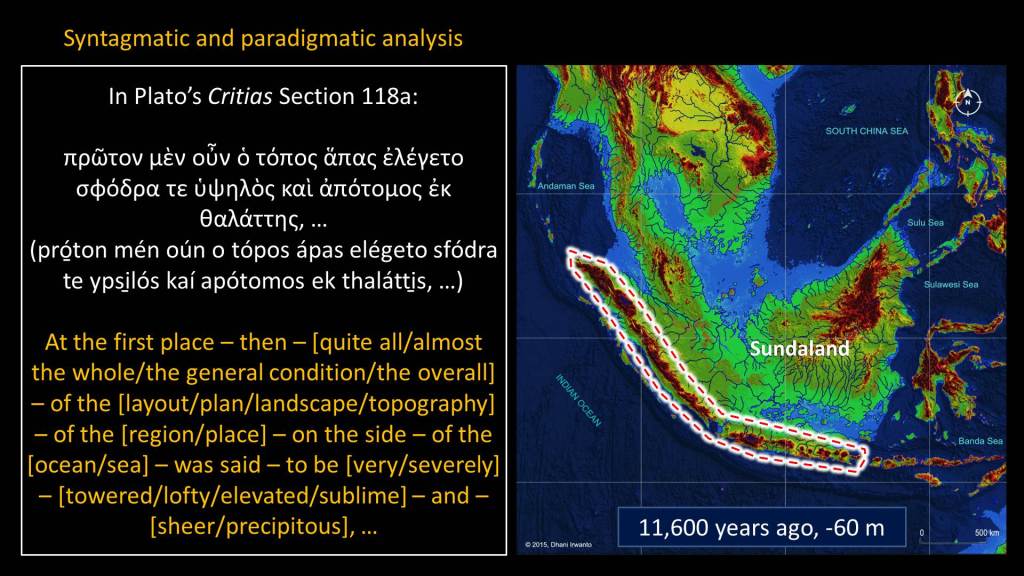
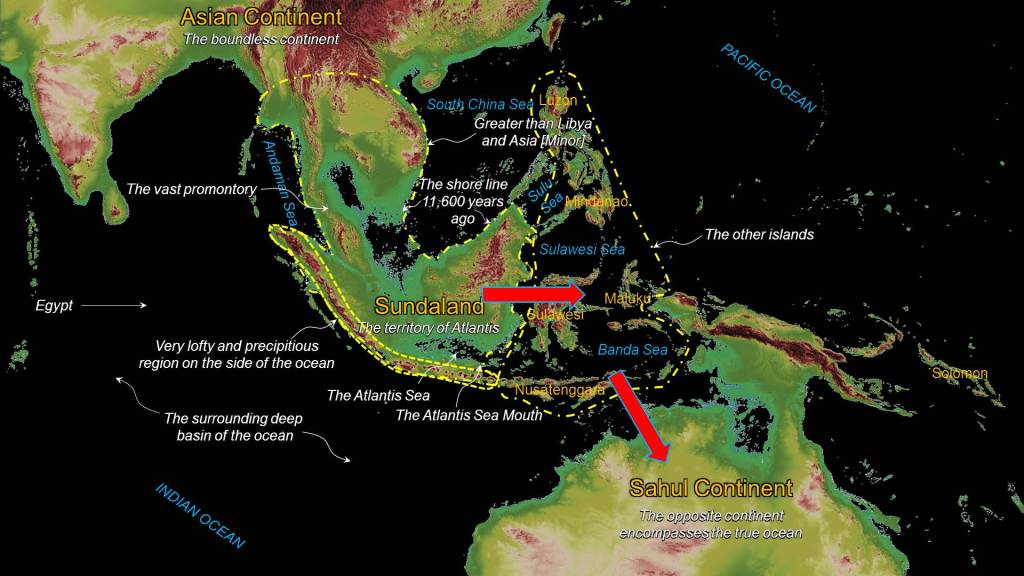
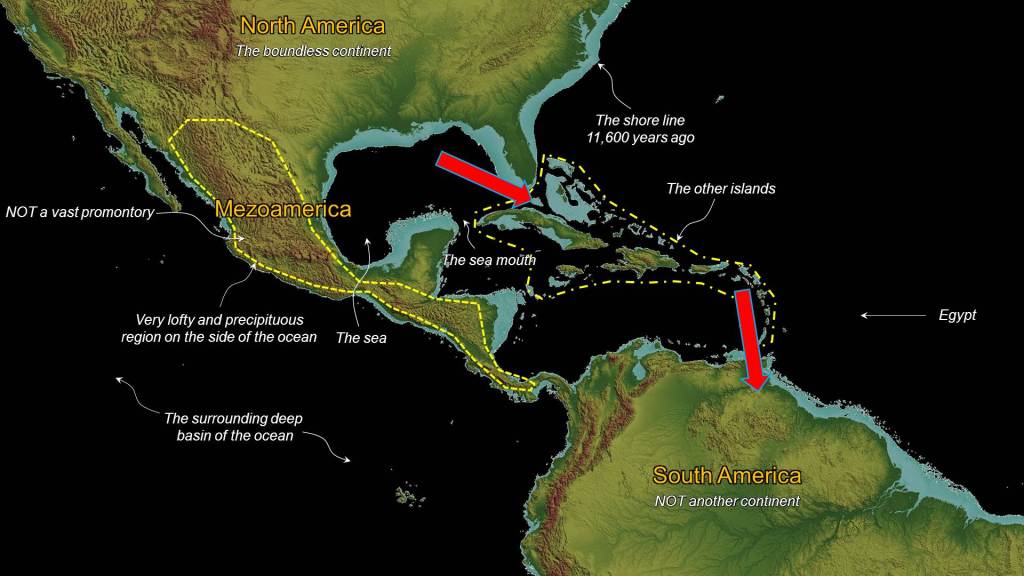
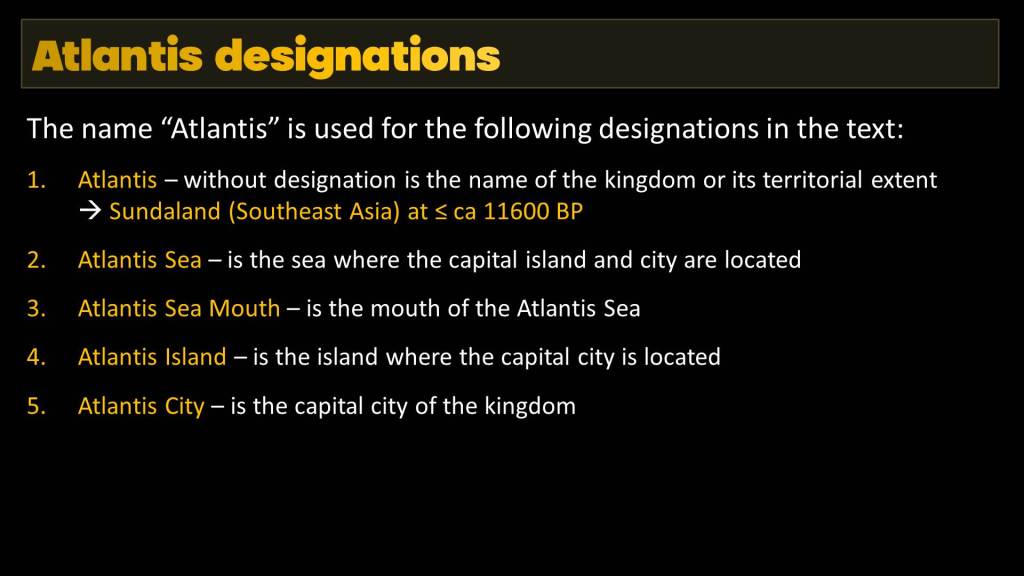
The quest to decode the mystery of Atlantis has inspired explorers, scholars, and seekers for centuries. In this work, I present a multidisciplinary research journey that re-examines Plato’s narrative through the lens of semiotics, geology, linguistics, and history. Moving beyond the conventional boundaries of Western Mediterranean-centered theories, this study reconstructs the lost civilization of Atlantis within the paleogeographical context of Sundaland in Southeast Asia.
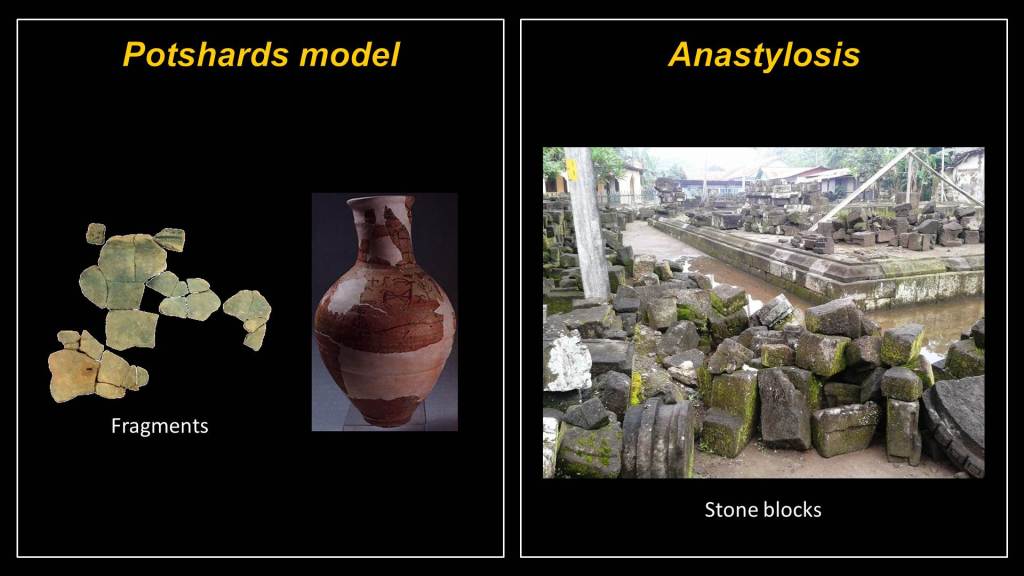
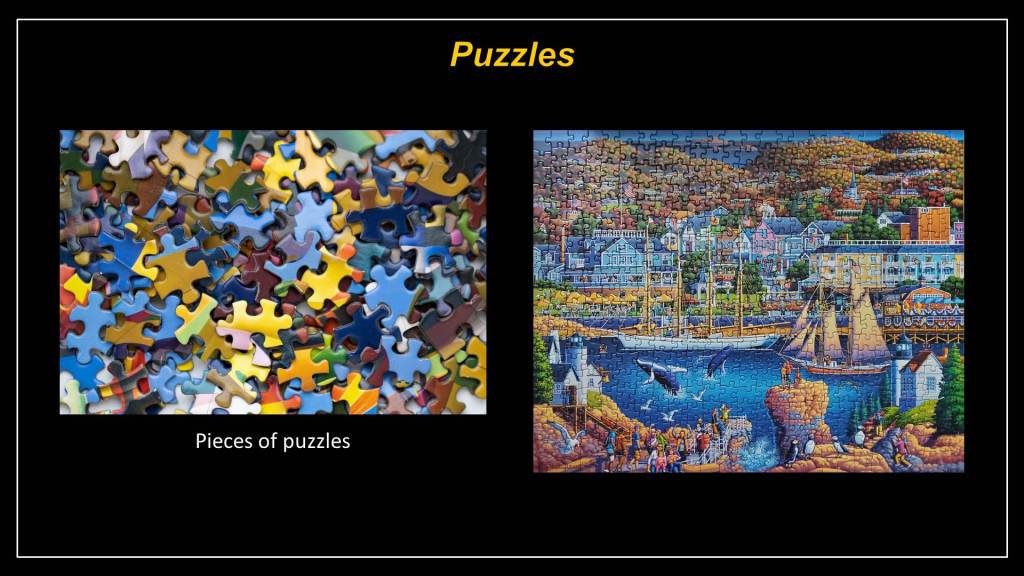
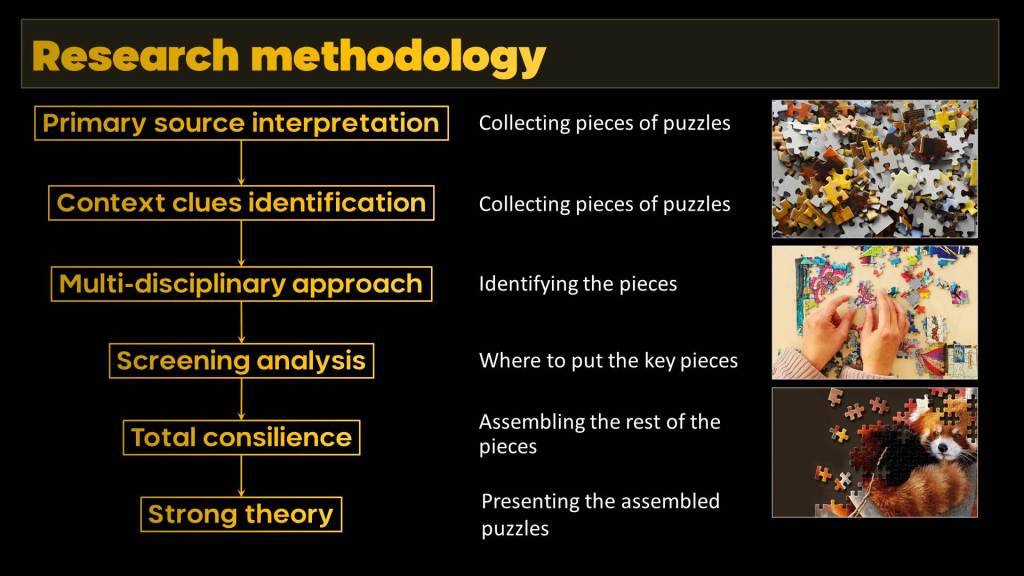
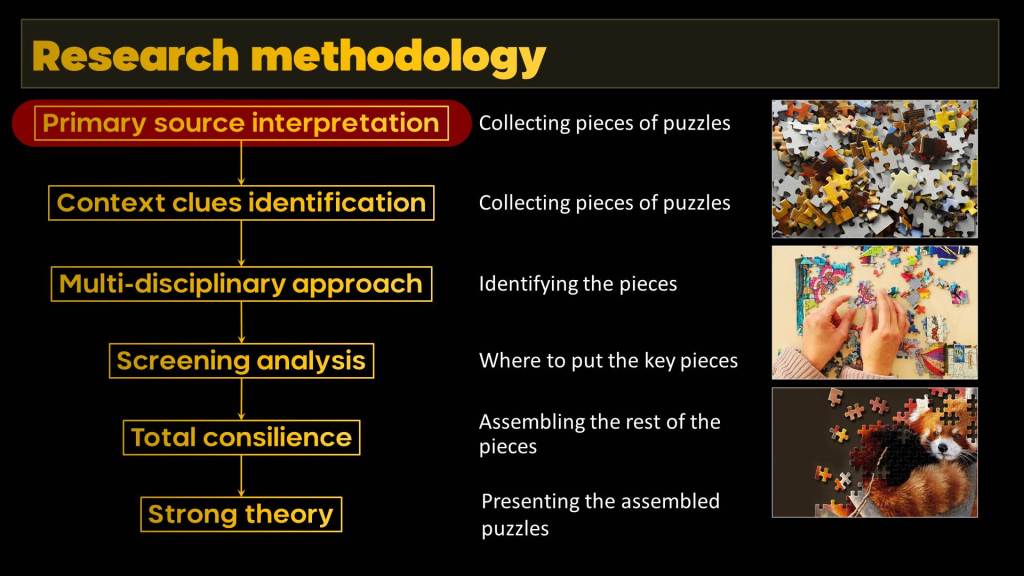
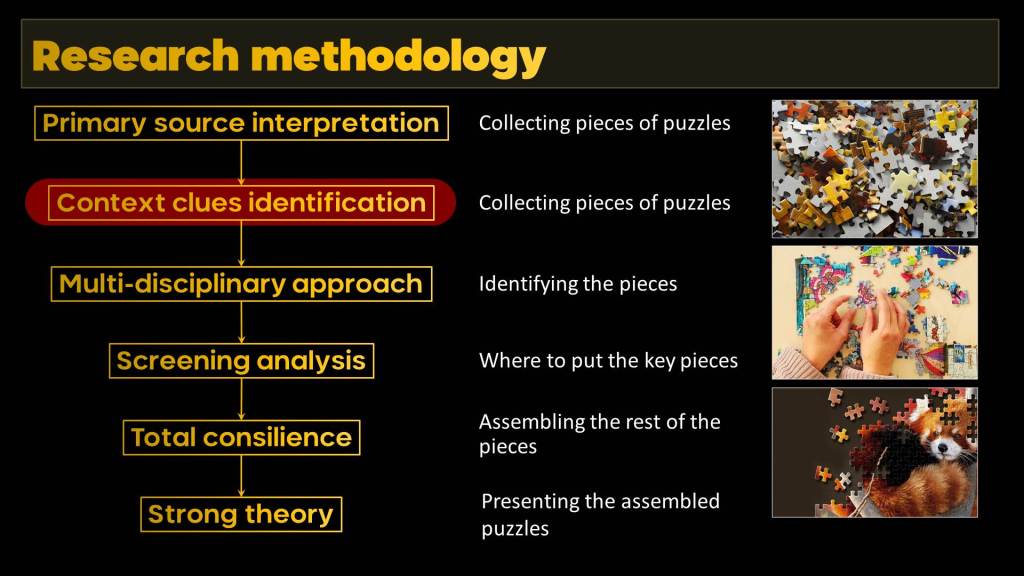
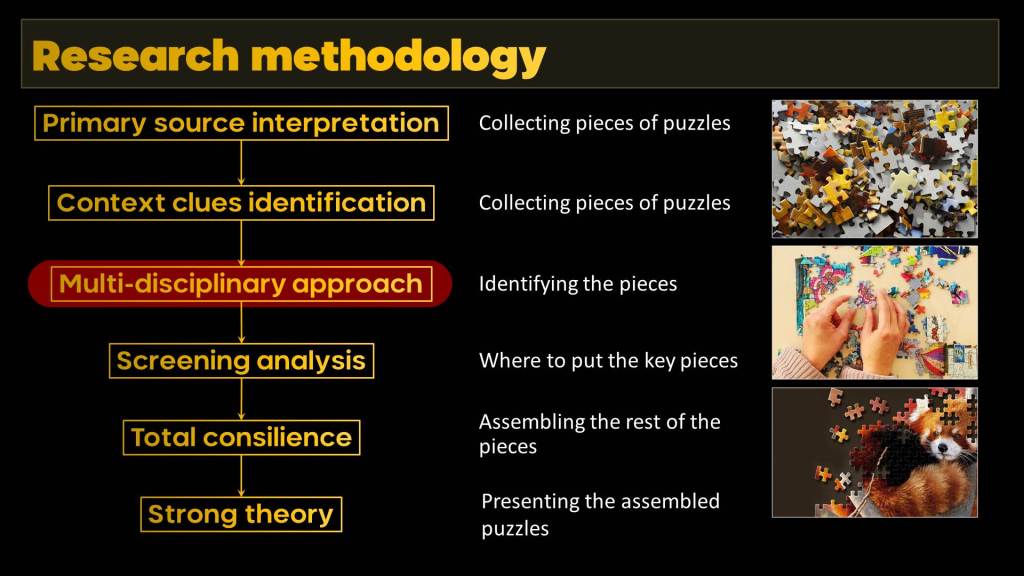
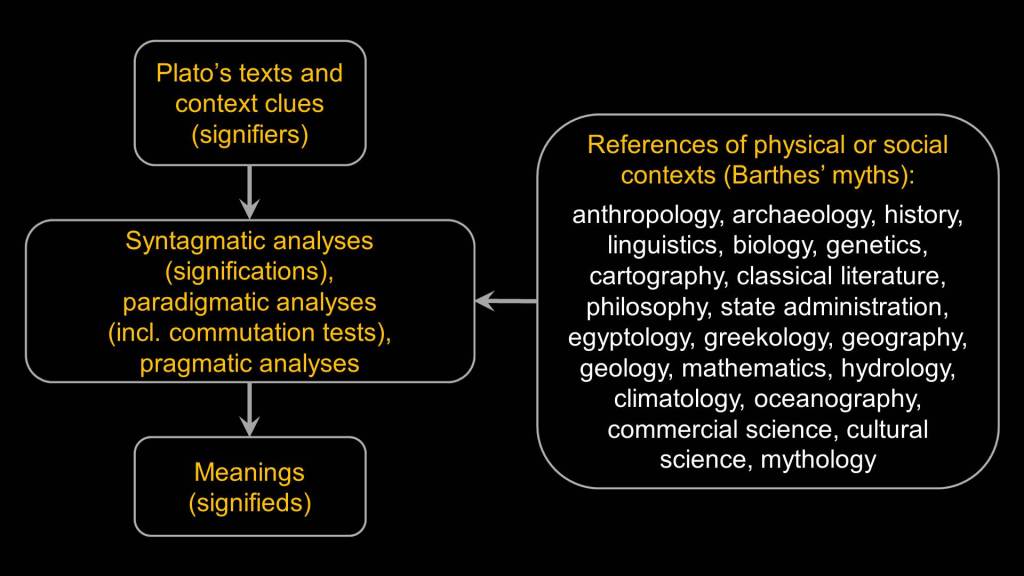
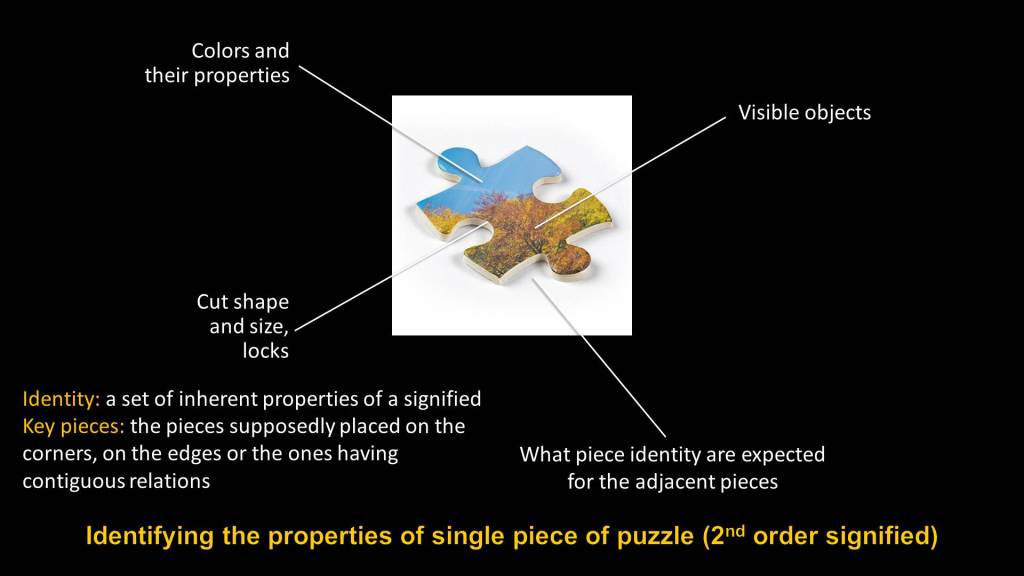
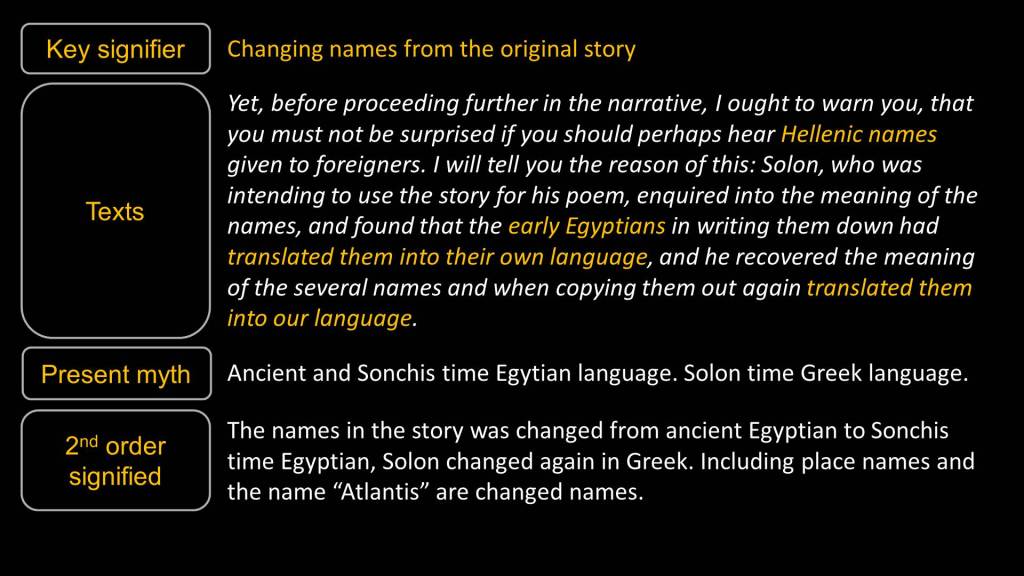
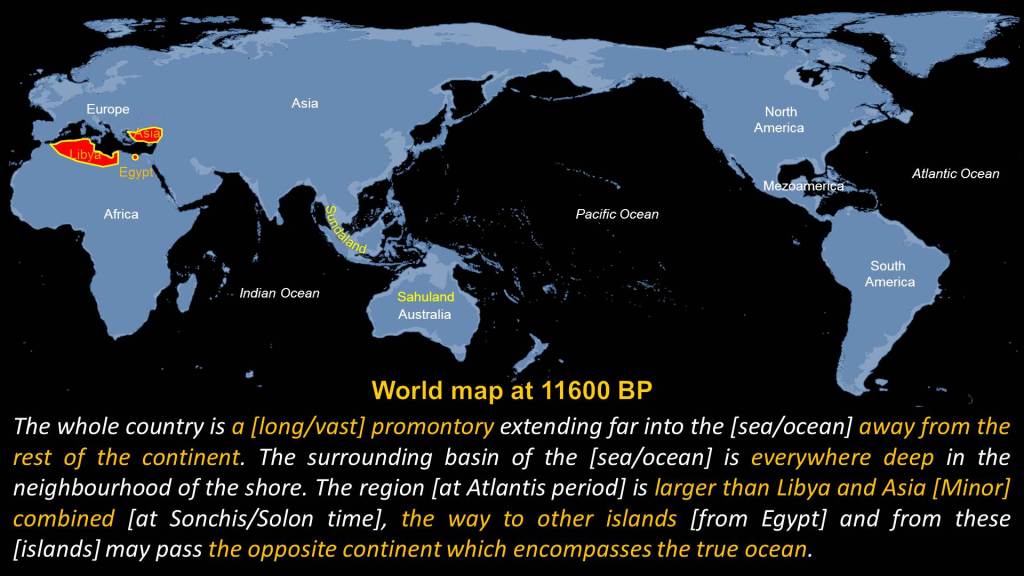
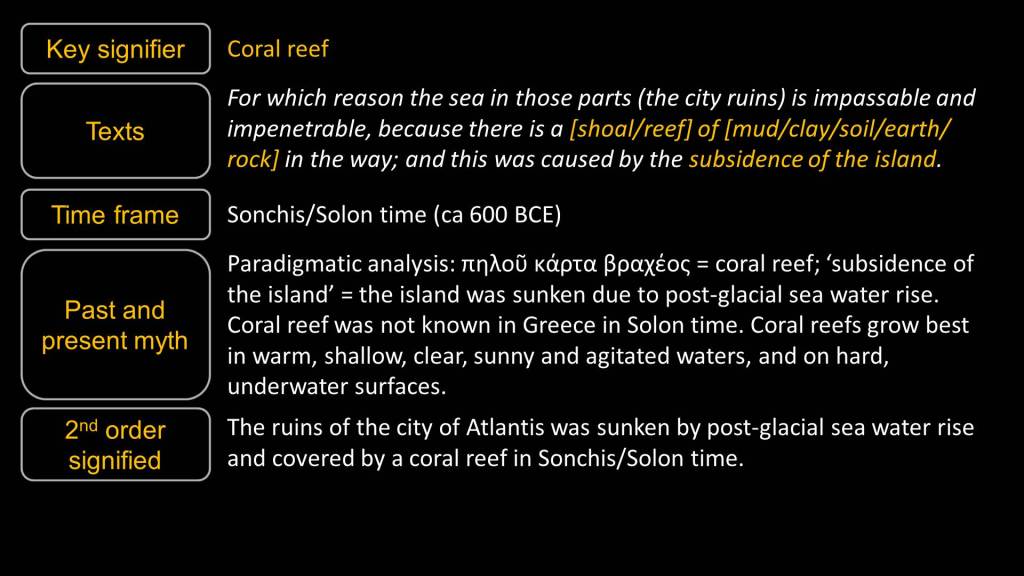
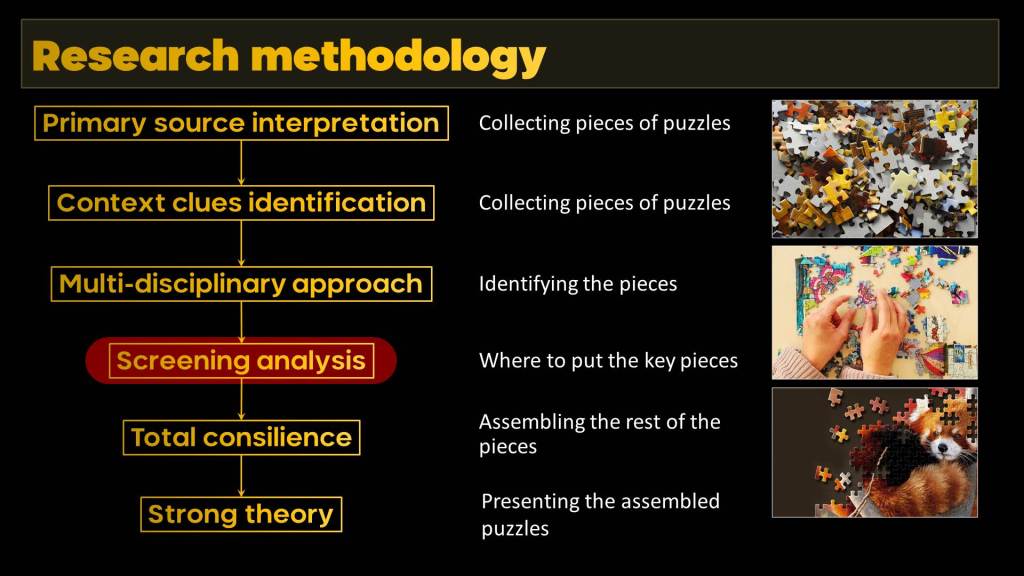
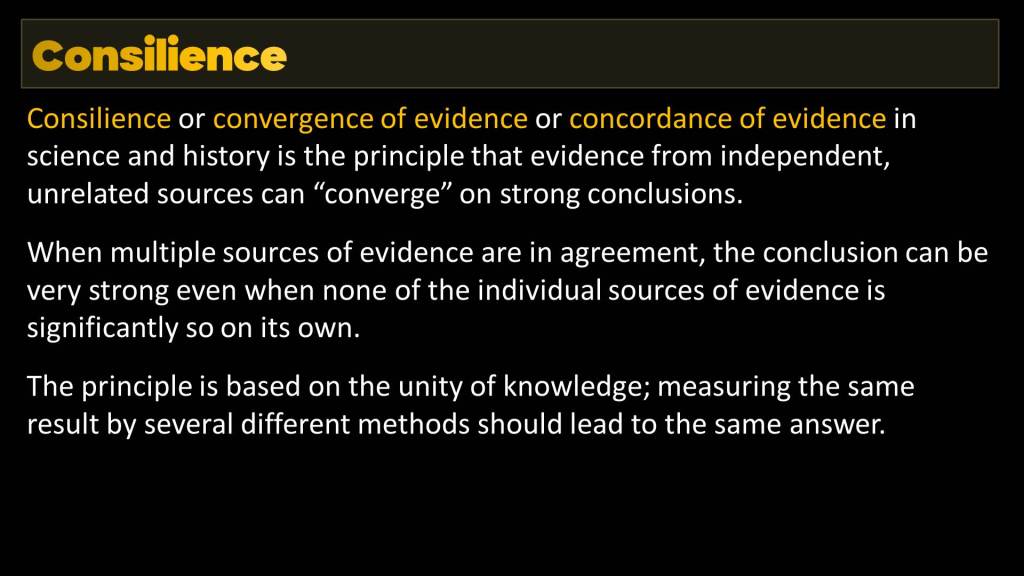
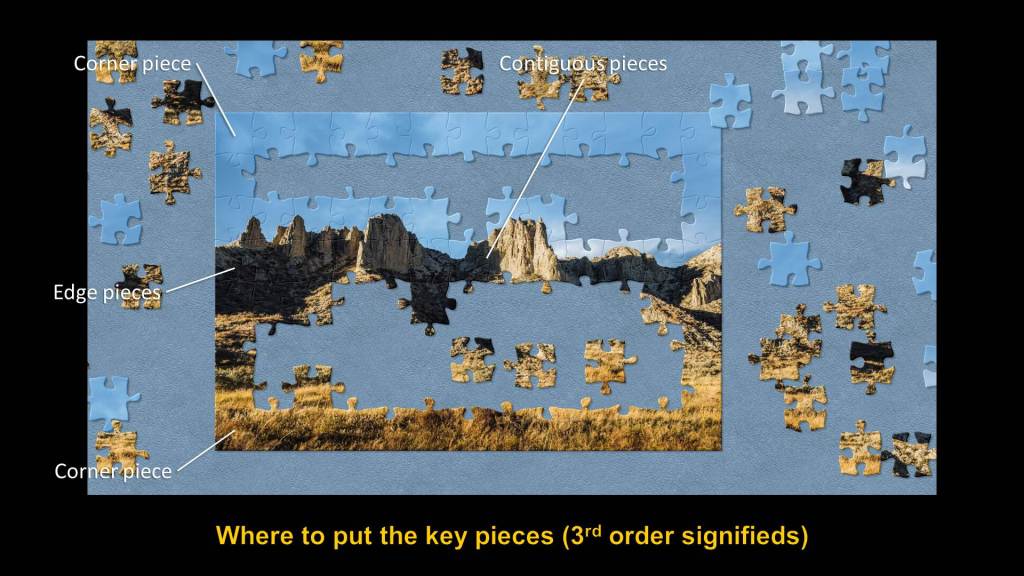
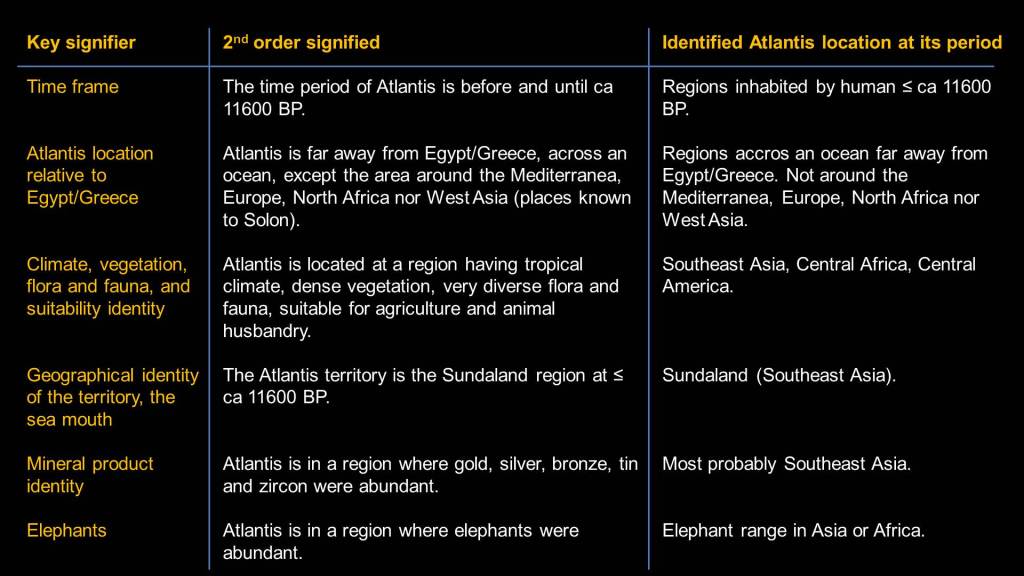
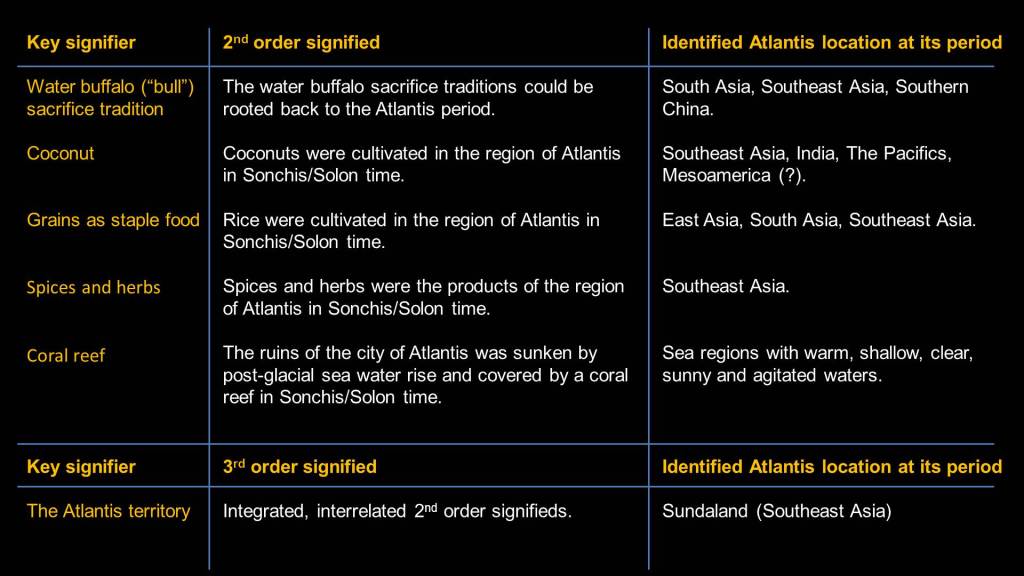
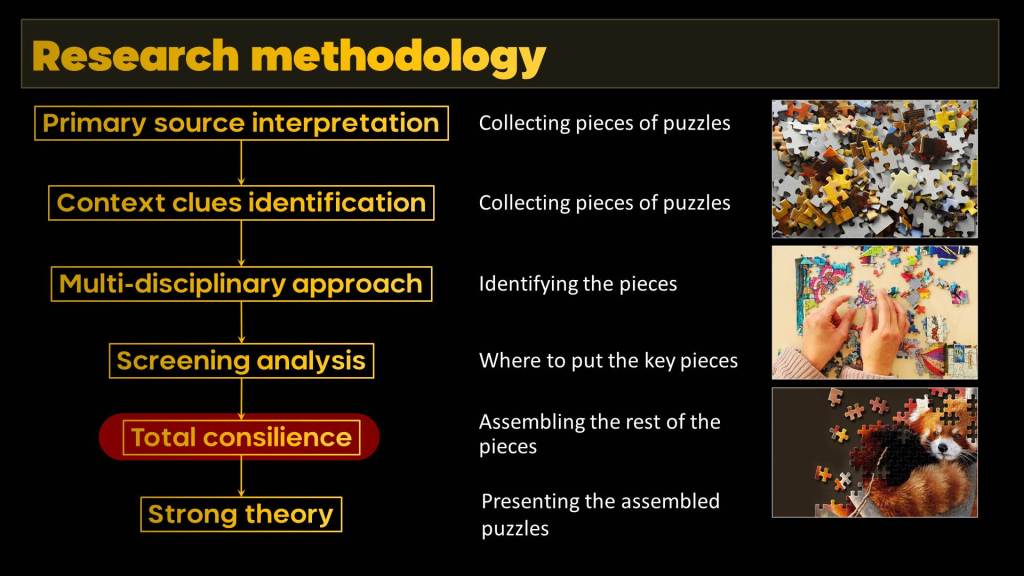
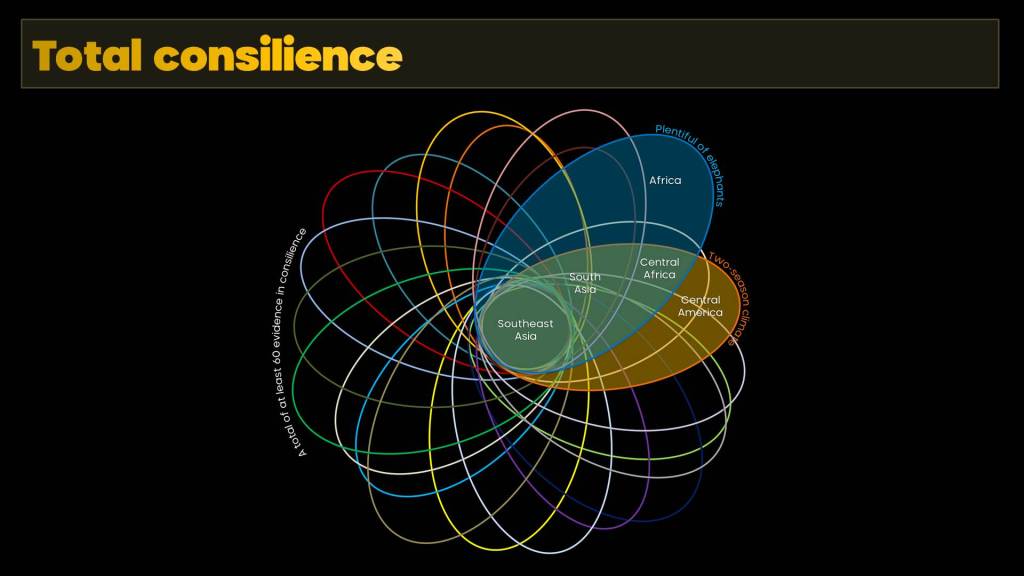
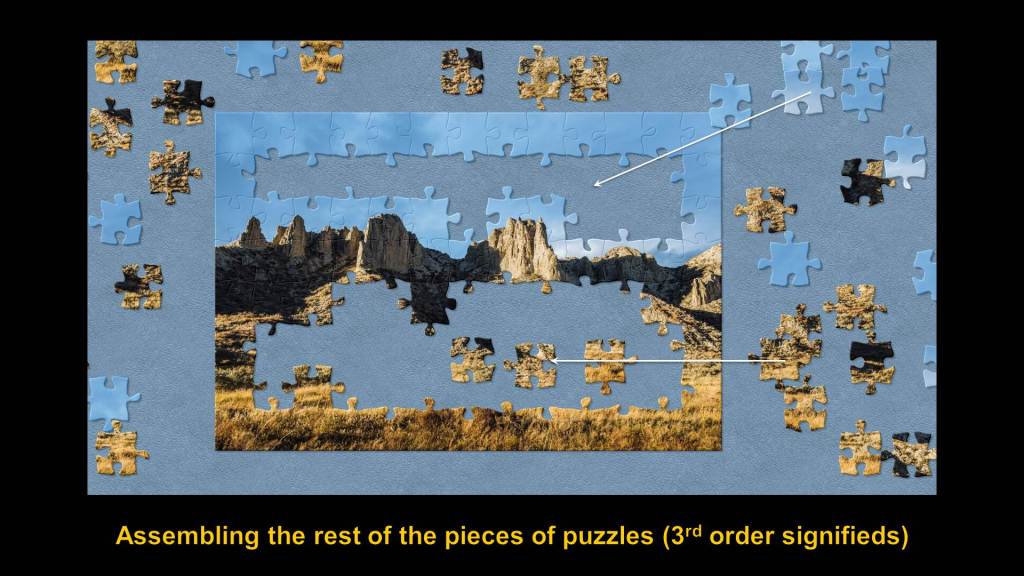
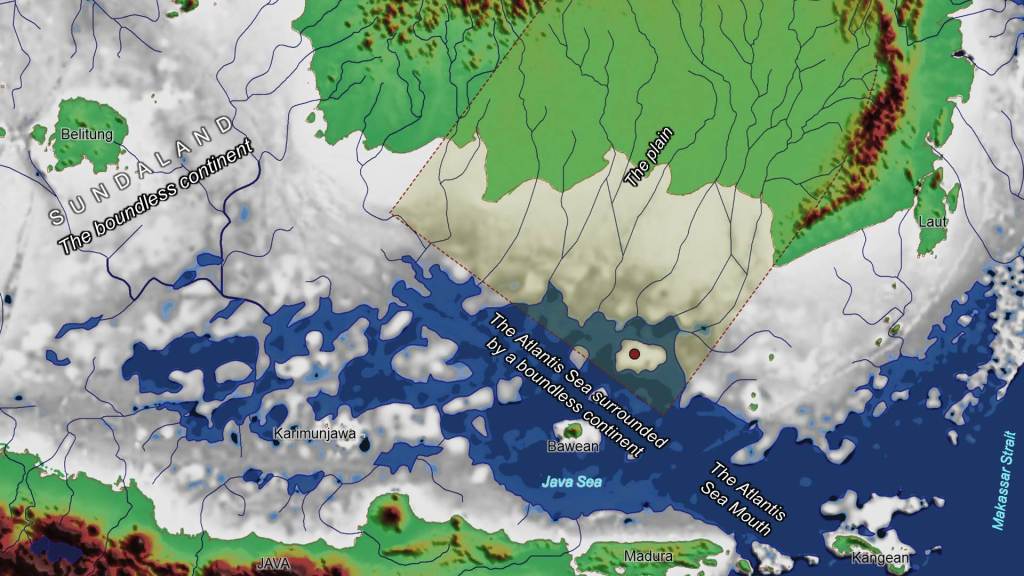
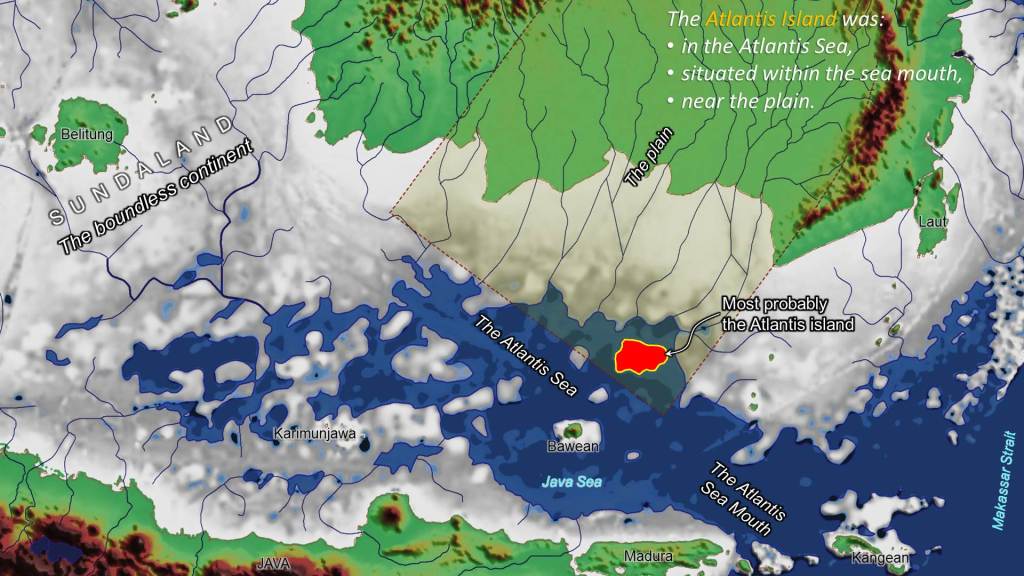
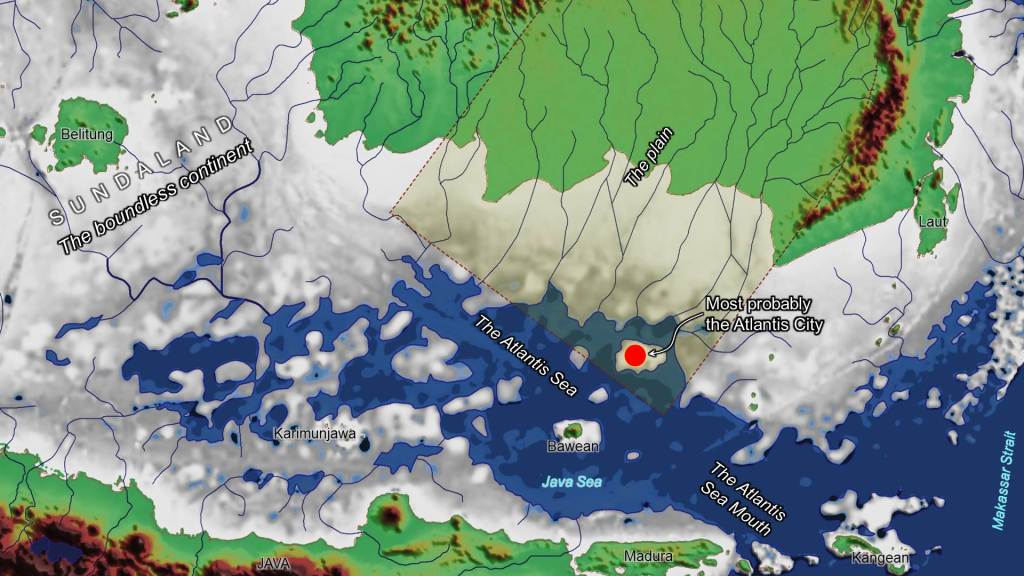
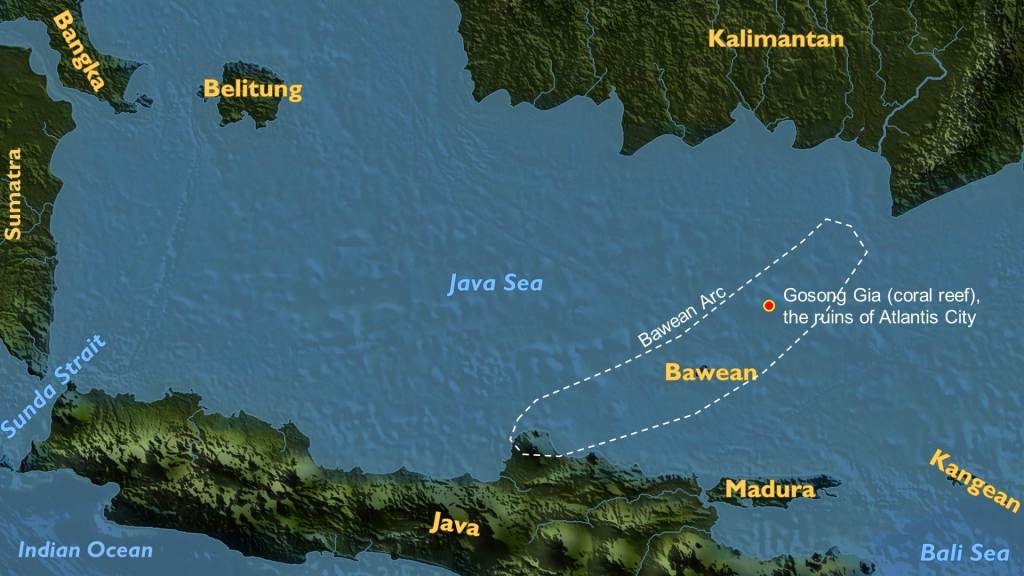
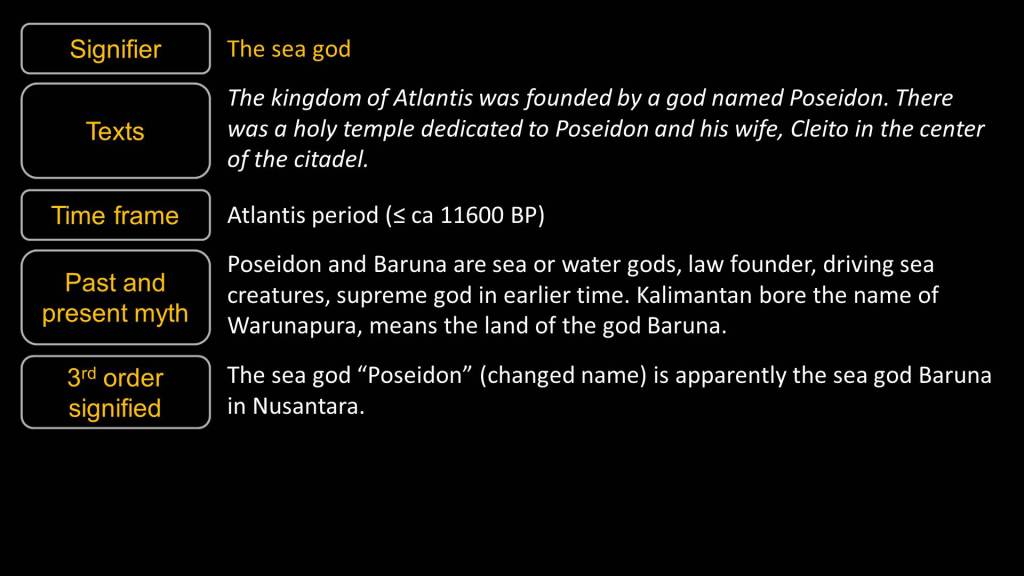
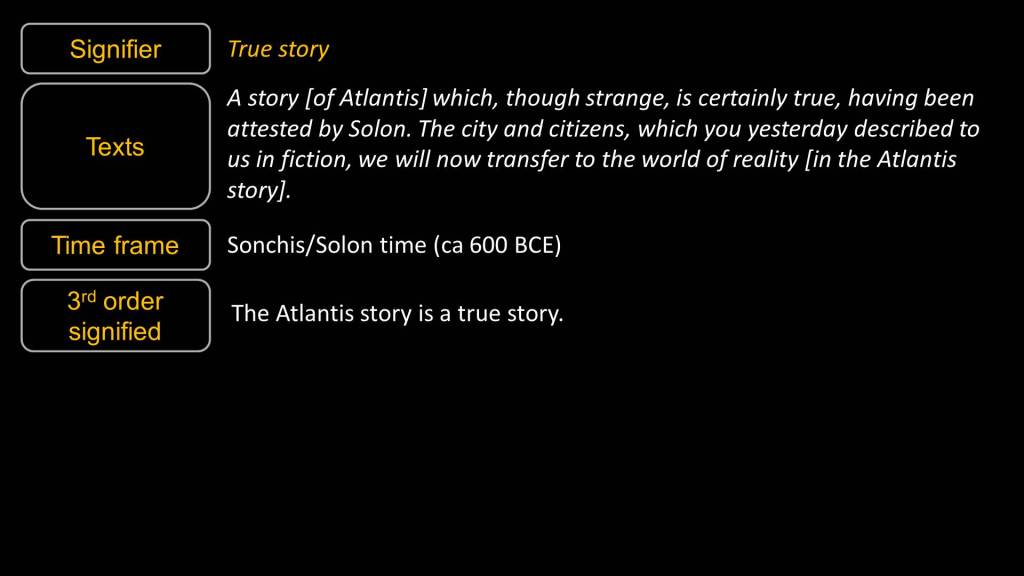
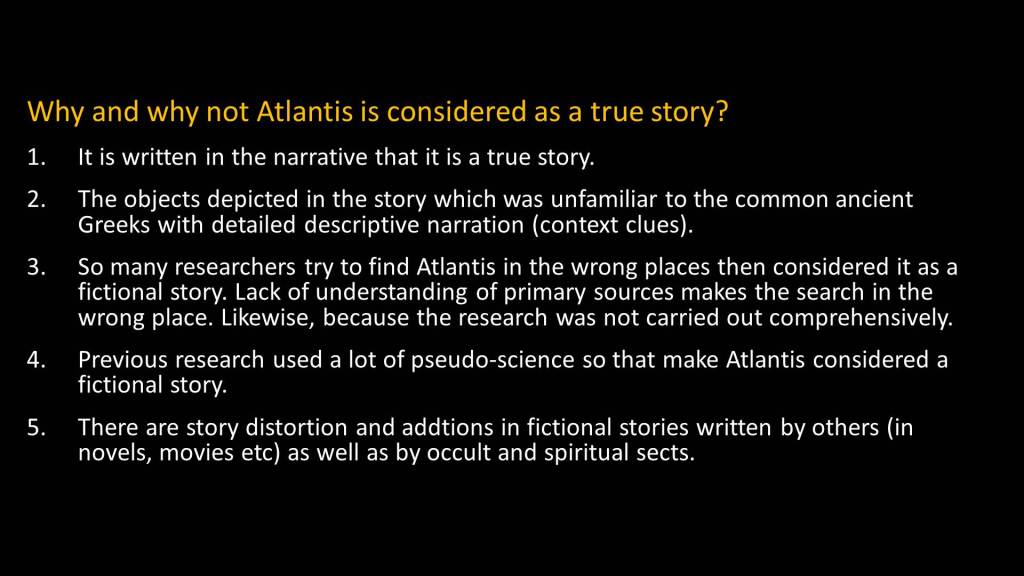
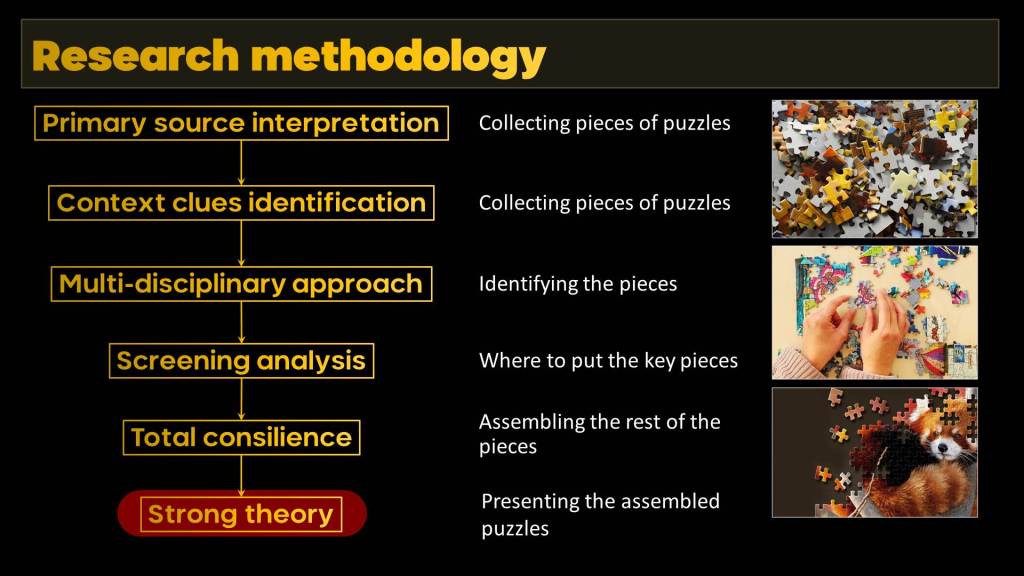
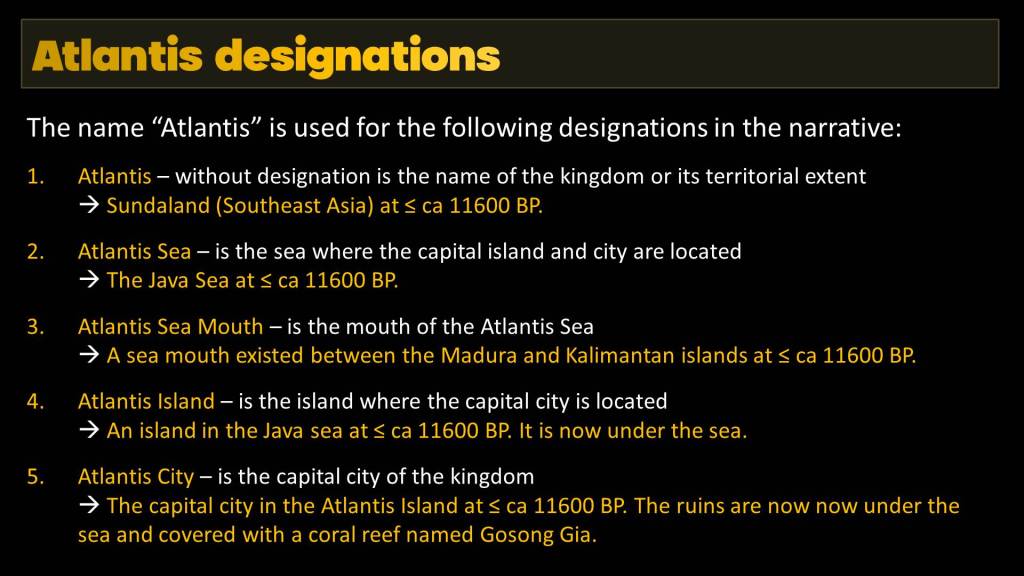
Using a unique puzzle-model approach, each narrative element from Plato’s dialogues is analyzed as a semiotic “piece” and systematically compared to real-world evidence. The principles of consilience and structured reconstruction guide the integration of independent data—ranging from ancient myth and oral transmission to modern bathymetric surveys and environmental science. The result is a robust, scientifically grounded framework that identifies Sundaland—and the Java Sea region in particular—as the most plausible location for Atlantis, with the Gosong Gia coral reef as the likely site of its lost capital.
This research aims not only to shed new light on the origins of one of history’s greatest legends, but also to advance the methodology of decoding ancient myths using the tools of modern science. I invite you to explore this synthesis of evidence, to challenge assumptions, and to join in the continuing search for the truth about human civilization’s deep past.
Related articles:
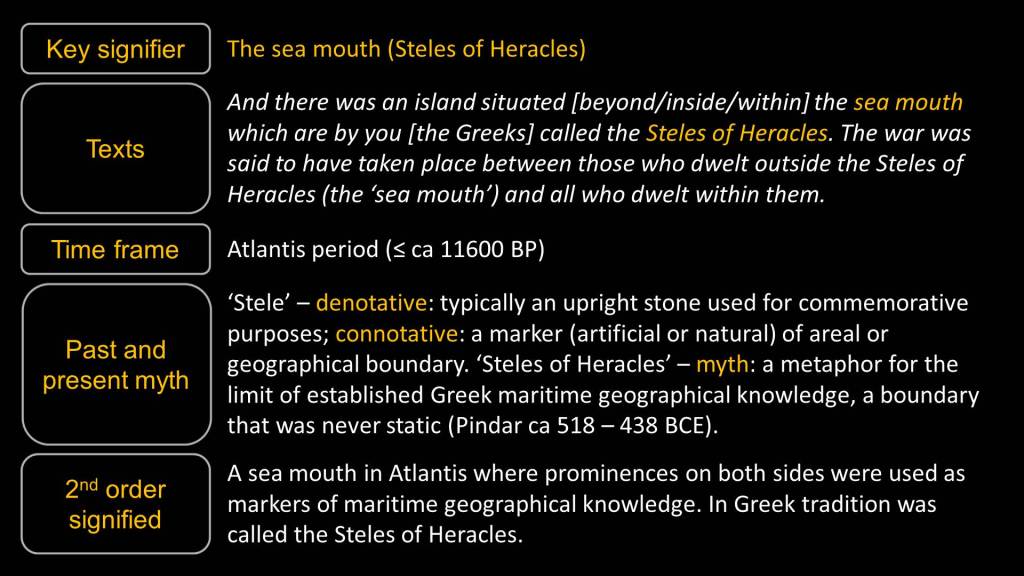
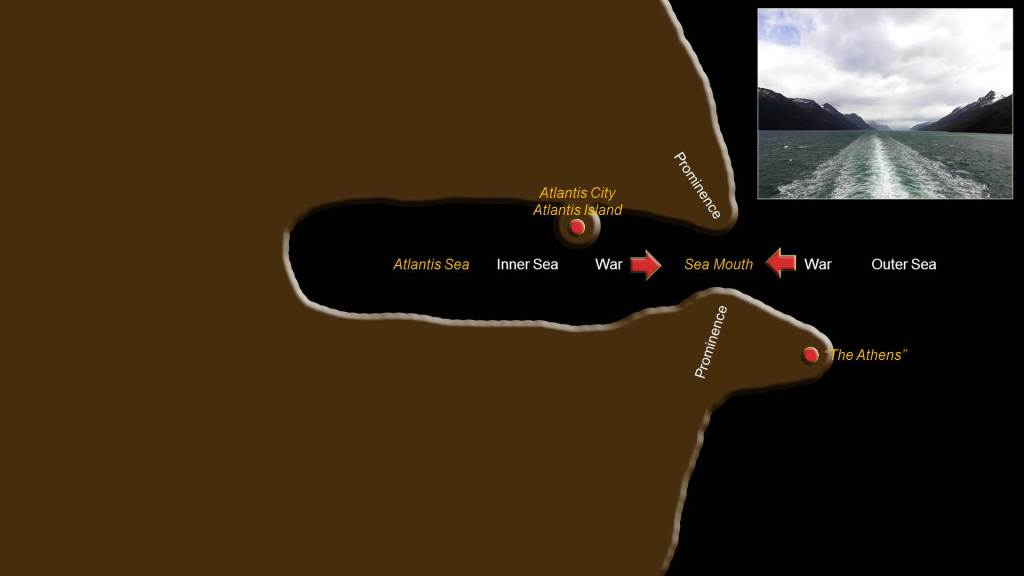
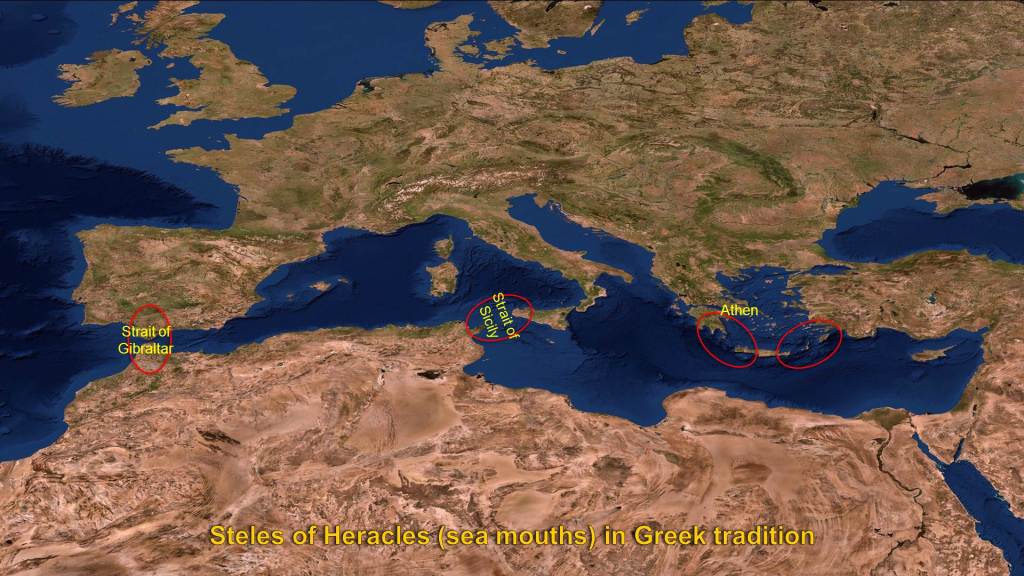
- Inside the “Mouth”: Rereading Plato’s Pillars of Heracles as a Navigational Gate
- Timaeus 25d and the Coral Reef at Gosong Gia (Java Sea)
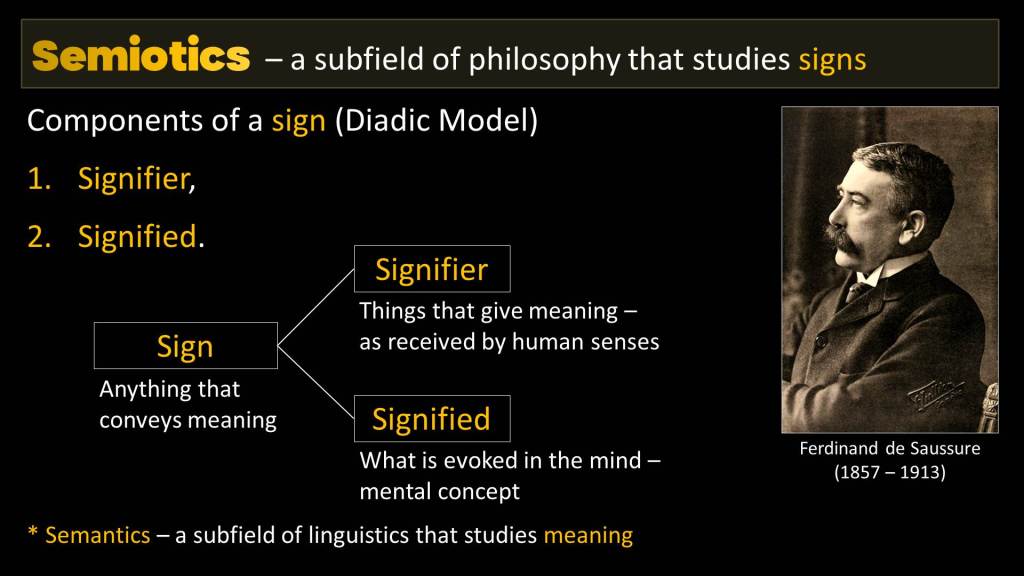
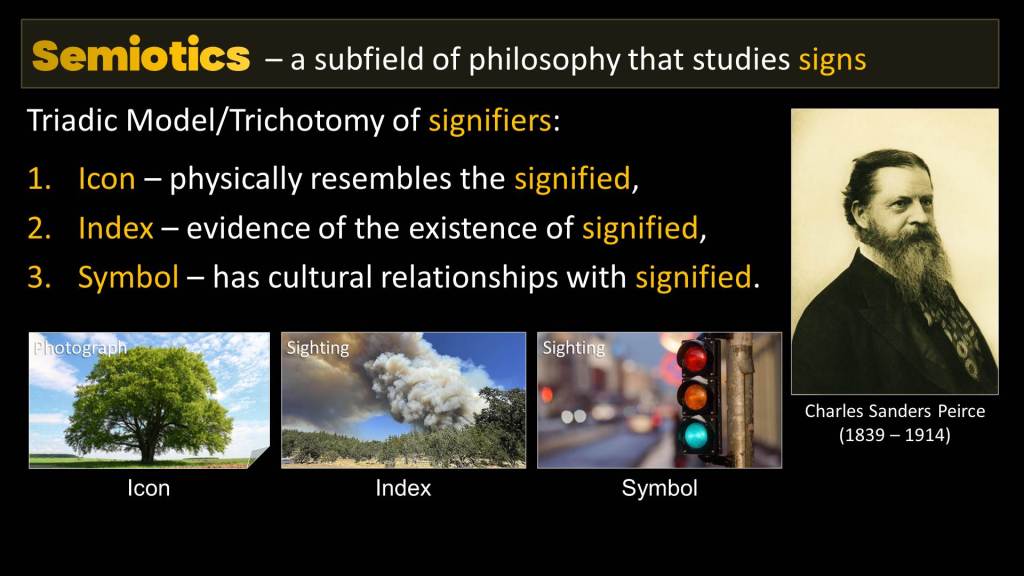
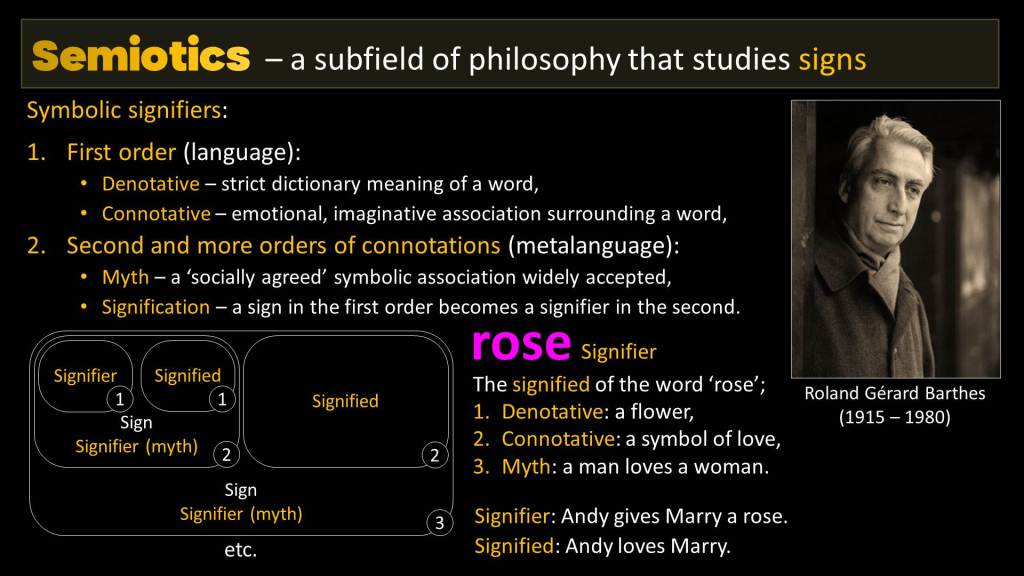
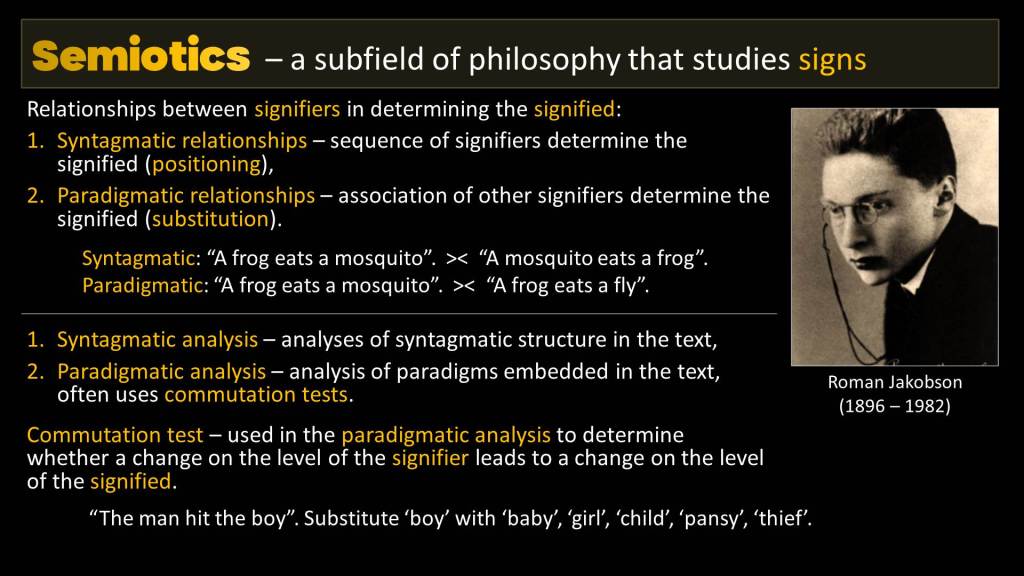
- Decoding Signs of the Past: A Semiotic and Linguistic Framework for Historical Reconstruction
 Sundaland Research Program